
As a Native American woman and part of the Chickasaw Nation out of Ada, Oklahoma, I approached Where We Belong with a blend of curiosity and caution. Any critiques I have stem from my own lived experiences as a Native woman navigating stories that aim to reflect parts of my identity. This autobiographical piece by Madeline Sayet explores themes of identity, belonging, and the weight of colonial history through the lens of her own life. While there were powerful moments, the impact of the show as a whole felt mixed for me.
GiGi Buddie as Achokayis: A One-Woman Powerhouse
GiGi Buddie delivered a phenomenal performance as Achokayis, commanding the stage for a full 90 minutes solo. Her ability to slip between voices and characters was impressive, making it feel as if she was in conversation with others rather than alone. GiGi’s stage presence was magnetic, and the sheer stamina it takes to carry a one-woman show of this scale was nothing short of remarkable. She truly made the script her own, infusing each moment with authenticity and depth. I’d buy a ticket to see her in anything without a second thought.
Lights, Sound, and Sand: A Technical Triumph
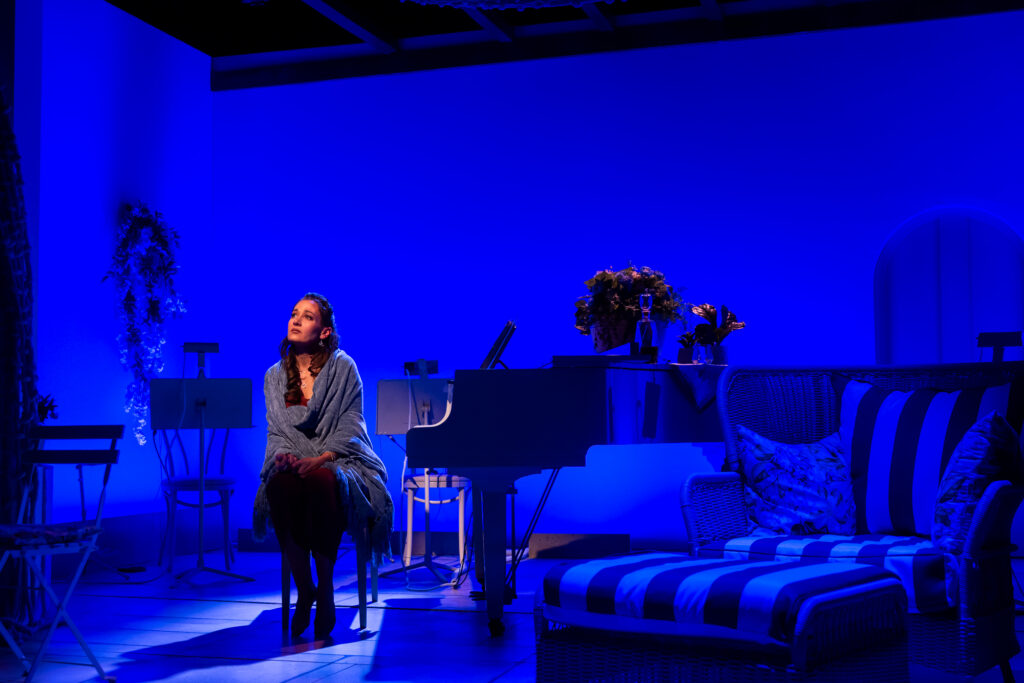
- Lighting Designer: Ben Rush did an exceptional job. The lighting effects created an almost tangible sense of other characters sharing the stage, heightening the emotions of each scene.
- Sound Designer: Chris Brousseau added depth with background sounds and the voices that echoed in Achokayis’s mind, crafting a rich auditory experience that made GiGi’s solitude feel less isolating.
- Scenic Designer: Baron E. Pugh created an inviting, expansive sandbox of a stage that felt like an invitation to play. While the sand was visually appealing, any metaphorical significance it might have held about being Native and connecting to the earth didn’t resonate with me personally.
The Weight of Words: Emotional Impact Missed the Mark
Despite GiGi’s powerful performance, the piece itself struggled to land emotionally for me. The autobiographical nature of Where We Belong felt more like a lecture than a story with actionable takeaways. The final 20 minutes, in particular, seemed to drag, presenting multiple false endings that diluted the overall impact. The repeated focus on colonial rage, rather than making a sharp and poignant statement, began to feel overwhelming and less effective. The Shakespearean parallels also felt forced, not quite bridging the gap to make the story more relatable to a predominantly white, New England audience.
The Talkback: Resonance Found Off-Stage
The post-show talkback with director Tara Moses and GiGi Buddie was, without question, the highlight of the afternoon. GiGi’s reflections on performing for predominantly white audiences and the emotional toll it takes were profoundly moving. She spoke candidly about the silence in the audience during what she called the “colonial rage” moments—an eerie quiet that mirrored the very themes of erasure and disconnect the play sought to address.
GiGi’s insights on land acknowledgments were also impactful:
“Institutions often forget the land acknowledgment is supposed to be you connecting with the people who are there and talk to them about what should be included and how they want it to be told. Most people think they can just say it and we’re all on the same page now.”
Her honesty about the vulnerability of performing such a personal story to an audience that may not fully grasp it was heart-wrenching yet powerful. For me, the talkback alone was worth the price of admission. While the play itself didn’t resonate deeply with my own experiences as a Native person, GiGi’s words and the authenticity she brought to the discussion did.
 Booked & Scene
Leave a comment